If you need Manual Handling training for work, finding a course that suits your location and schedule is often the first priority.
FRS Training provides Manual Handling courses at locations across Ireland, helping employees, jobseekers and employers access practical workplace safety training close to them.
Whether you need Manual Handling training before starting a new job, have been asked to complete a course by your employer or simply need to refresh your skills, you can view upcoming courses and choose a date and location that works for you.

What Is a Manual Handling Course?
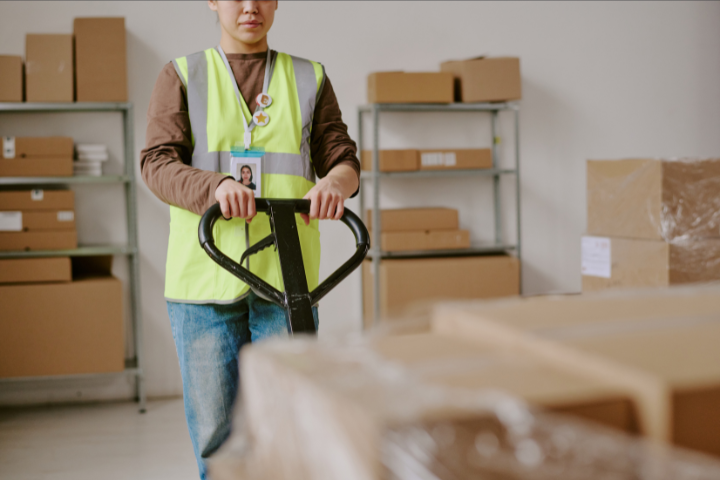
Manual handling includes workplace activities involving the lifting, carrying, pushing, pulling, putting down or moving of loads.
A Manual Handling course is designed to help participants understand the risks associated with these tasks and learn safer techniques that can reduce the likelihood of workplace injuries.
Training is relevant across a wide range of industries, including:
- Construction
- Agriculture
- Warehousing and logistics
- Manufacturing
- Retail
- Hospitality
- Healthcare and care environments
Even jobs that don’t involve heavy lifting can include manual handling tasks, which is why the training is relevant to so many Irish workplaces.
What Will I Learn During Manual Handling Training?
Manual Handling training focuses on giving learners practical skills that they can apply in the workplace.
Depending on the course, topics can include identifying manual handling hazards, understanding the risks associated with lifting and moving loads, correct lifting techniques, safe movement and good workplace practices.
The overall aim is simple: to help employees carry out manual handling tasks more safely and reduce the risk of injury.
Do I Need Manual Handling Training for Work?
This will depend on your job and the manual handling risks involved.
Employers in Ireland have responsibilities around assessing manual handling risks and taking appropriate measures to protect employees. Where manual handling cannot be avoided and there is a risk of injury, appropriate instruction and training can form part of those measures.
For employees and jobseekers, having completed Manual Handling training can also be useful when applying for roles where manual work is a regular part of the job.
Where Can I Find a Manual Handling Course Near Me?
FRS Training runs Manual Handling courses at a number of locations across Ireland.
Upcoming dates and locations can vary, so the easiest way to find a suitable course is to check our current course schedule.
Simply select the Manual Handling course, view the available dates and choose the location that suits you.
What Should I Look for When Choosing a Manual Handling Course?
Don’t choose a course based on location alone.
Before booking, check:
- Who provides the training
- What the course covers
- Whether there is a practical element
- What certification you receive
- Available dates and locations
- Whether the training meets your employer’s requirements
If you’re completing Manual Handling training for a particular job, it is also worth checking whether your employer has any specific requirements before booking.
Manual Handling Training for Employers
Manual Handling courses aren’t only for individuals.
Businesses with employees carrying out manual handling activities should regularly review workplace risks and determine what training is required.
For employers with multiple employees requiring training, organising appropriate training can help improve safety awareness across the team while supporting the organisation’s wider health and safety responsibilities.
FRS Training works with individuals and organisations across Ireland across a range of workplace and safety training requirements.
Book a Manual Handling Course in Ireland
If you’re looking for a Manual Handling course near you, check the latest FRS Training course dates and locations online.
Our available courses make it easy to find a suitable date and complete the training you need for the workplace.